
Canada Study Guide [2026]
Admission requirements, application process and requirements — compiled by experienced education consultants, specially for Hong Kong DSE, IB and IGCSE students. Covers tuition estimates (HKD), visa applications, university rankings and latest admission requirements.
Why do Hong Kong students choose to study in Canada?
For many Hong Kong families, choosing a study abroad destination is often a difficult decision. The UK has a long academic tradition, Australia is geographically closer, and the US has many top-ranked universities — so what makes Canada stand out as one of the top choices for Hong Kong students in recent years?
World-Class Education Quality
Canada consistently has many top-100 world universities, including UBC and the University of Toronto, covering major disciplines such as science, business, medicine and arts.
Immigration-Friendly Policies
The PGWP work permit and Express Entry immigration pathway are clear and well-regarded by Hong Kong people.
Safe and Diverse Society
Canadian society has long been known for its tolerance and openness. The Hong Kong community in Vancouver and Toronto is particularly large, making it easier for new students to adapt.
Canada vs UK vs Australia
Which is better for Hong Kong students?
| Comparison Dimension | 🍁 Canada | 🇬🇧 UK | 🇦🇺 Australia |
|---|---|---|---|
| Annual tuition for international students (undergraduate) | HK$150,000–290,000 | HK$200,000–580,000 | HK$230,000–460,000 |
| Post-graduation work visa | Up to 3 years (PGWP) | Up to 2–3 years (Graduate Visa) | Up to 5 years (depends on qualification) |
| Immigration pathway | Comprehensive, multiple pathways | Relatively strict, tightened in recent years | Available, but policy changes frequently |
| Hong Kong community size | Very large (especially Vancouver) | Large (mainly London) | Moderate |
| Overall safety level | Excellent | Moderate (varies by city) | Good |
| Time difference with Hong Kong | 12–15 hours | 7–8 hours | 0–3 hours |
The above data is for general reference only; actual situations vary by institution, programme and individual circumstances.
Of course, there is no destination that is 'objectively the best' — what matters most is making the decision that best suits the student's academic background, career goals and family budget.
Post-Graduation Opportunities in Canada: Introduction to the PGWP Work Permit
For many Hong Kong families with long-term plans, studying in Canada is not just about getting a university degree — it is also a viable immigration pathway. The Post-Graduation Work Permit (PGWP) provided by the Canadian government allows international graduates to legally work in Canada for up to 3 years after completing a designated programme, with no employer restrictions, in any industry and any location.
After gaining Canadian local work experience, graduates can apply for permanent residency through the federal Express Entry system, or consider the Provincial Nominee Program (PNP). This 'study → work → immigrate' pathway is relatively clear, and is one of Canada's biggest competitive advantages over other popular study destinations.
Overview of Canada's Education System
A basic understanding of Canada's overall education system will help you make wiser decisions when choosing a school and planning your study pathway.
University
- Primarily offers academic degree programmes, including bachelor's degrees (generally 4 years), master's degrees (1–2 years) and doctoral degrees (3–6 years)
- Uses an elective system allowing free pairing of minor subjects, offering greater flexibility
- Some institutions offer Co-op cooperative education programmes, allowing students to intersperse paid internships
College
- Primarily offers career-oriented diploma programmes (1–3 years) and certificate programmes
- Some colleges offer associate degree or bachelor's degree programmes that can be transferred to university degrees
- Tuition is generally lower than universities, focusing on practical operational skills
Comparing Key Provinces for Study
Canada is vast, and different provinces vary in city scale, cost of living, climate and the size of the Chinese community.

British Columbia (BC) | Vancouver
BC is the most familiar Canadian destination for Hong Kong students. Vancouver has the largest Hong Kong community in all of Canada, has a mild climate, and is about 15–16 hours ahead of Hong Kong. Key institutions include UBC — consistently ranked in the global QS top 50 — and Simon Fraser University (SFU). UBC is internationally renowned in science, forestry and business, while SFU is known for its Co-op programmes.
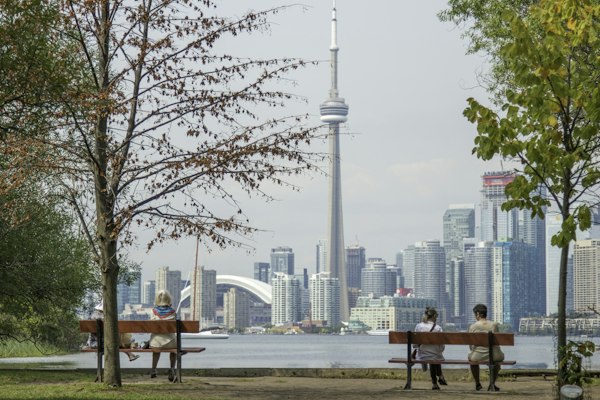
Ontario | Toronto, Ottawa, Waterloo, Kingston
Ontario is the province with the highest concentration of universities in all of Canada. The University of Toronto is the highest-ranked institution in Canada, especially known for medicine and law; the University of Waterloo is globally top-ranked in computer science and engineering; McMaster University and Queen's University are also widely popular among Hong Kong students.

Quebec | Montreal
McGill University is one of the highest-ranked universities in all of Canada, regarded as the 'Harvard of North America'. Living costs in Quebec are significantly lower than in Vancouver and Toronto. English-language programmes are concentrated at McGill and Concordia University, and day-to-day life can be managed with English.
Canadian University Admission Requirements
The following data is primarily for DSE students for reference only; please refer to the latest announcements on each university's official website.
| University | Minimum DSE Requirement (Reference) | IELTS | TOEFL (iBT) | Notes |
|---|---|---|---|---|
| University of Toronto | 5 subjects 22 pts, English Level 5 | 6.5 | 100 | Some departments require higher |
| UBC (University of British Columbia) | 5 subjects 22 pts, English Level 5 | 6.5 | 90 | Depends on the programme |
| McGill University | 5 subjects 25 pts, English Level 5* | 7.0 | 100 | Highly competitive, apply early |
| University of Waterloo | 5 subjects 22 pts, English Level 5 | 6.5 | 90 | Engineering and CS especially competitive |
| Western University | 5 subjects 20 pts, English Level 5 | 6.5 | 83 | Ivey Business School requirements are higher |
Canada University Application Timeline
The following timeline is for Form 6 students planning to enrol in September of the following year (recommend starting preparation 12–18 months in advance).
Research and School Selection
Gather information on target universities and programmes, attend education fairs, and create a preliminary shortlist (5–8 schools recommended).
Prepare Application Documents
Compile DSE transcripts, IELTS / TOEFL scores, reference letters and personal statement.
Submit Application
Ontario students apply through OUAC centrally; other provinces must apply directly to each university. Note deadlines for each school.
Await Notifications and Submit Additional Documents
Some universities may require additional documents or interviews. Check your application status regularly.
Receive Offer
Receive conditional or unconditional admission notices. Carefully compare conditions, tuition reductions and scholarship packages at each institution.
Confirm Offer and Pay Fees
Accept the offer from your preferred university, pay the deposit or first instalment of tuition, and officially secure your enrolment.
Apply for Student Visa
Apply to IRCC for a Study Permit, and arrange accommodation, flights and pre-departure preparations. Apply as early as possible to allow for processing delays.
Ready to begin your Canada study journey?
Book a free consultation now and let our expert consultants create a personalised study plan for you.